Labrador Retriever vs Norwegian Lundehund
Comprehensive comparison of two popular breeds to help you decide which one might be the better fit for your lifestyle and preferences.

Labrador Retriever
Sporting Group
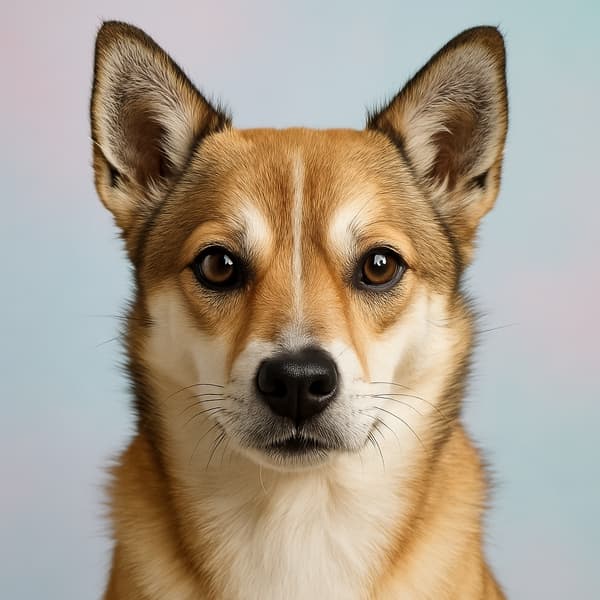
Norwegian Lundehund
Non-Sporting Group
Quick Comparison
Size
Lifespan
Exercise Needs
Grooming Needs
Table of Contents
Breed Overview
Labrador Retriever Overview
Labrador Retrievers embody a perfect blend of strength and gentleness, featuring a distinctive broad head, powerful jaws, and friendly eyes that reflect their warm personality. Their water-resistant double coat comes in black, yellow, or chocolate, complementing their athletic build and otter-like tail. Standing proudly with a balanced frame, these dogs showcase muscular shoulders and strong legs built for both work and play.
Norwegian Lundehund Overview
Norwegian Lundehunds possess distinctive physical adaptations including six toes on each foot, extraordinary neck flexibility, and unique shoulder structure. Their compact, rectangular body features a dense double coat in reddish-brown to fawn with black hair tips. Alert and agile, these medium-sized dogs showcase remarkable climbing abilities and exceptional joint flexibility, historically vital for puffin hunting on steep Norwegian cliffs.
Key Differences
- Energy Level: Labrador Retrievers are more energetic than Norwegian Lundehunds, requiring more daily exercise.
- Grooming: Labrador Retrievers require less grooming attention compared to Norwegian Lundehunds.
- Temperament: While both breeds are intelligent, Labrador Retrievers tend to be more outgoing with strangers than Norwegian Lundehunds.
- Trainability: Norwegian Lundehunds may be slightly easier to train due to their Norwegian Lundehund's higher intelligence ranking.
- Living Situation: Norwegian Lundehunds adapt better to apartment living, while Labrador Retrievers typically prefer homes with more space.
Detailed Comparison
Below is a comprehensive side-by-side comparison of the Labrador Retriever and Norwegian Lundehund, covering everything from physical characteristics to care requirements.
Basic Information
| Feature | Labrador Retriever | Norwegian Lundehund |
|---|---|---|
| Size | Medium | Small |
| Life Expectancy | 10-12 years | 12-15 years |
| Country of Origin | Unknown | Unknown |
| Breed Group | Sporting Group | Non-Sporting Group |
Physical Characteristics
| Feature | Labrador Retriever | Norwegian Lundehund |
|---|---|---|
| Height | 22-25 inches 55-62 cm | 12-15 inches 30-38 cm |
| Weight | 55-80 lbs 25-36 kg | 20-30 lbs 9-14 kg |
| Coat Type | Short, dense coat | Short, dense coat |
| Coat Length | Short | Short |
| Shedding | Regularly | Seasonal |
Temperament & Behavior
| Feature | Labrador Retriever | Norwegian Lundehund |
|---|---|---|
| Temperament | Friendly, Active, Outgoing | Loyal, Energetic, Alert |
| Energy Level | | |
| Intelligence | | |
Compatibility
| Feature | Labrador Retriever | Norwegian Lundehund |
|---|---|---|
| Good with Children | | |
| Good with Other Dogs | | |
| Apartment Friendly | | |
Temperament & Personality
Labrador Retriever Temperament
The Labrador Retriever is known for being friendly, active, outgoing, making them excellent family dogs. Their moderate intelligence means they can be trained with consistent effort. They're typically friendly with strangers, making them poor guard dogs but excellent social companions. With their high energy levels, they need plenty of exercise and mental stimulation to prevent boredom and destructive behaviors.
Norwegian Lundehund Temperament
The Norwegian Lundehund is characterized by being loyal, energetic, alert, which makes them better for households without small children. With their moderate intelligence, they can learn with consistent training methods. They're naturally cautious around strangers, which enhances their ability to serve as watchdogs. Their high energy requires substantial daily exercise and activities to keep them physically and mentally satisfied.
Temperament Comparison
When comparing the Labrador Retriever and Norwegian Lundehund, there are notable differences in their temperaments that potential owners should consider:
Sociability with Strangers
Good with Children
Side-by-Side Trait Ratings
GOOD WITH YOUNG CHILDREN
Labrador Retriever
Rating: 5/5
Norwegian Lundehund
Rating: 3/5
GOOD WITH OTHER DOGS
Labrador Retriever
Rating: 5/5
Norwegian Lundehund
Rating: 3/5
ENERGY LEVEL
Labrador Retriever
Rating: 5/5
Norwegian Lundehund
Rating: 4/5
TRAINABILITY / INTELLIGENCE
Labrador Retriever
Rating: 1/5
Norwegian Lundehund
Rating: 2/5
GROOMING NEEDS
Labrador Retriever
Rating: 3/5
Norwegian Lundehund
Rating: 3/5
Care & Maintenance
Labrador Retriever Care Requirements
Exercise Needs
Labrador Retrievers require significant daily exercise, including at least 60-90 minutes of physical activity. This can include walks, play sessions, and more vigorous activities like running, swimming, or fetch.
Grooming Requirements
With their short, dense coat coat, Labrador Retrievers require moderate grooming. This includes regular brushing to prevent matting and reduce shedding. Occasional professional grooming may be beneficial.
Norwegian Lundehund Care Requirements
Exercise Needs
Norwegian Lundehunds need substantial daily exercise, including at least 60-90 minutes of physical activity. This should include walks, play sessions, and more intense activities like running, swimming, or agility training.
Grooming Requirements
With their short, dense coat coat, Norwegian Lundehunds require moderate grooming. This includes regular brushing to maintain coat health and reduce shedding. Occasional professional grooming may be helpful.
Health & Lifespan
Labrador Retriever Health Profile
Common Health Issues:
- Hip Dysplasia
- Elbow Dysplasia
- PRA
- Exercise-Induced Collapse
- Bloat
Norwegian Lundehund Health Profile
Common Health Issues:
- Lundehund Syndrome
- Patellar Luxation
- Hip Dysplasia
- Eye Problems
- Dental Issues
Pros & Cons
Labrador Retriever
Pros
- Excellent family dog
- Highly trainable
- Great with children
- Versatile working ability
Cons
- Heavy shedding
- High exercise needs
- Prone to weight gain
- Chewing tendency in puppyhood
Norwegian Lundehund
Pros
- Unique physical capabilities
- Agile and athletic
- Loyal family companion
- Good with children
Cons
- Rare and expensive
- Special dietary needs
- Health concerns
- Strong hunting instincts
Ready to Find Your Perfect Match?
Now that you've compared the Labrador Retriever and Norwegian Lundehund, explore more breeds or use our breed matching tool to find the perfect dog for your lifestyle.