Puli vs Italian Greyhound
Comprehensive comparison of two popular breeds to help you decide which one might be the better fit for your lifestyle and preferences.

Puli
Herding Group
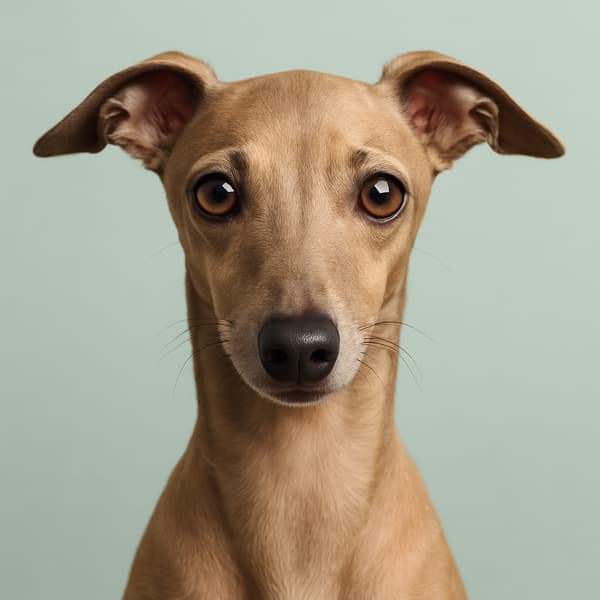
Italian Greyhound
Toy Group
Quick Comparison
Size
Lifespan
Exercise Needs
Grooming Needs
Table of Contents
Breed Overview
Puli Overview
Distinctive for its long, corded coat resembling dreadlocks, the Puli is a compact herding dog with remarkable agility and intelligence. The unique coat, naturally forming cords that provide protection from harsh weather, gives this breed its unmistakable appearance. Alert and nimble, Pulis possess a medium-sized, muscular frame with a proud bearing and characteristic bouncing gait.
Italian Greyhound Overview
Italian Greyhounds embody elegance with their slender build, fine-boned structure, and graceful gait. Standing 13-15 inches tall, these refined canines feature a sleek coat, long legs, and distinctive arched back. Their large, expressive eyes and small, folded ears contribute to their alert, aristocratic appearance. Despite their delicate frame, they possess remarkable agility and speed.
Key Differences
- Energy Level: Pulis are less energetic than Italian Greyhounds, requiring less daily exercise.
- Grooming: Pulis require more grooming attention compared to Italian Greyhounds.
- Temperament: While both breeds are intelligent, Pulis tend to be more reserved with strangers than Italian Greyhounds.
- Trainability: Italian Greyhounds may be slightly easier to train due to their Italian Greyhound's higher intelligence ranking.
- Living Situation: Italian Greyhounds adapt better to apartment living, while Pulis typically prefer homes with more space.
Detailed Comparison
Below is a comprehensive side-by-side comparison of the Puli and Italian Greyhound, covering everything from physical characteristics to care requirements.
Basic Information
| Feature | Puli | Italian Greyhound |
|---|---|---|
| Size | Small | Toy |
| Life Expectancy | 10-15 years | 14-15 years |
| Country of Origin | Unknown | Unknown |
| Breed Group | Herding Group | Toy Group |
Physical Characteristics
| Feature | Puli | Italian Greyhound |
|---|---|---|
| Height | 16-17 inches 41-43 cm | 13-15 inches 33-38 cm |
| Weight | 25-35 lbs 11-16 kg | 7-14 lbs 3-6 kg |
| Coat Type | Short, dense coat | Short, dense coat |
| Coat Length | Short | Short |
| Shedding | Infrequent | Seasonal |
Temperament & Behavior
| Feature | Puli | Italian Greyhound |
|---|---|---|
| Temperament | Loyal, Smart, Home-Loving | Playful, Alert, Sensitive |
| Energy Level | | |
| Intelligence | | |
Compatibility
| Feature | Puli | Italian Greyhound |
|---|---|---|
| Good with Children | | |
| Good with Other Dogs | | |
| Apartment Friendly | | |
Temperament & Personality
Puli Temperament
The Puli is known for being loyal, smart, home-loving, making them better suited for homes without young children. Their moderate intelligence means they can be trained with consistent effort. They tend to be reserved with strangers, which makes them good watchdogs. Their moderate energy level makes them adaptable to different lifestyles, though they still need regular exercise.
Italian Greyhound Temperament
The Italian Greyhound is characterized by being playful, alert, sensitive, which makes them better for households without small children. With their moderate intelligence, they can learn with consistent training methods. They generally welcome strangers, making them sociable companions rather than protective guardians. Their moderate energy level makes them versatile companions that can adapt to your activity level, though regular exercise is still important.
Temperament Comparison
When comparing the Puli and Italian Greyhound, there are notable differences in their temperaments that potential owners should consider:
Sociability with Strangers
Good with Children
Side-by-Side Trait Ratings
GOOD WITH YOUNG CHILDREN
Puli
Rating: 3/5
Italian Greyhound
Rating: 3/5
GOOD WITH OTHER DOGS
Puli
Rating: 3/5
Italian Greyhound
Rating: 5/5
ENERGY LEVEL
Puli
Rating: 3/5
Italian Greyhound
Rating: 3/5
TRAINABILITY / INTELLIGENCE
Puli
Rating: 2/5
Italian Greyhound
Rating: 2/5
GROOMING NEEDS
Puli
Rating: 5/5
Italian Greyhound
Rating: 2/5
Care & Maintenance
Puli Care Requirements
Exercise Needs
Pulis require moderate daily exercise, including about 30-60 minutes of physical activity. This can include walks, play sessions, and moderate activities like walking and interactive play.
Grooming Requirements
With their short, dense coat coat, Pulis require frequent grooming. This includes brushing several times per week to prevent matting and reduce shedding. Professional grooming every 4-8 weeks is recommended.
Italian Greyhound Care Requirements
Exercise Needs
Italian Greyhounds need regular daily exercise, including about 30-60 minutes of physical activity. This should include walks, play sessions, and moderate activities like walking and interactive play.
Grooming Requirements
With their short, dense coat coat, Italian Greyhounds require moderate grooming. This includes regular brushing to maintain coat health and reduce shedding. Occasional professional grooming may be helpful.
Health & Lifespan
Puli Health Profile
Common Health Issues:
- Hip Dysplasia
- Eye Problems
- Deafness
- Bloat
- Allergies
Italian Greyhound Health Profile
Common Health Issues:
- Dental Disease
- Leg Fractures
- Epilepsy
- Eye Problems
- Hypothyroidism
Pros & Cons
Puli
Pros
- Excellent herding instincts
- Loyal family companion
- Intelligent and trainable
- Weather-resistant coat
- Good watchdog
Cons
- High grooming maintenance
- Can be stubborn
- Requires experienced owner
- Moderate exercise needs
- Strong herding instinct may need management
Italian Greyhound
Pros
- Gentle and affectionate
- Low grooming needs
- Excellent apartment dog
- Minimal shedding
Cons
- Fragile bone structure
- Cold sensitivity
- Challenging to housebreak
- Separation anxiety prone
Ready to Find Your Perfect Match?
Now that you've compared the Puli and Italian Greyhound, explore more breeds or use our breed matching tool to find the perfect dog for your lifestyle.