Nova Scotia Duck Tolling Retriever vs Shetland Sheepdog
Comprehensive comparison of two popular breeds to help you decide which one might be the better fit for your lifestyle and preferences.

Nova Scotia Duck Tolling Retriever
Sporting Group
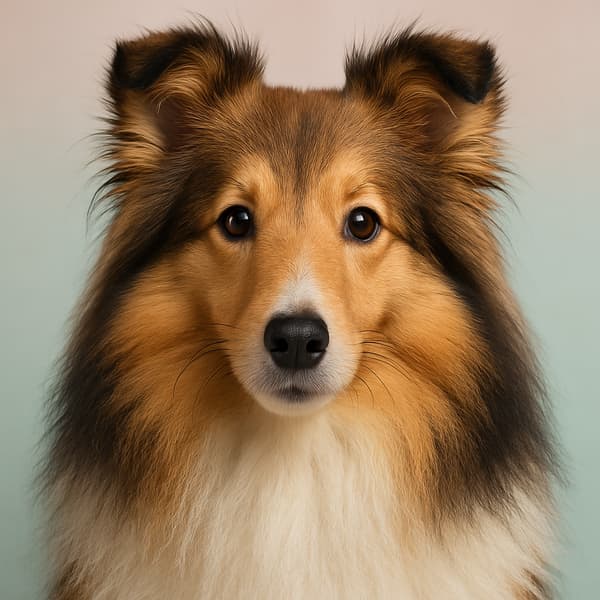
Shetland Sheepdog
Herding Group
Quick Comparison
Size
Lifespan
Exercise Needs
Grooming Needs
Table of Contents
Breed Overview
Nova Scotia Duck Tolling Retriever Overview
Nova Scotia Duck Tolling Retrievers showcase a medium-sized, athletic build with distinctive red-gold coats and white markings. Their expressive eyes and alert expression reflect their intelligent nature. Combining the agility of a retriever with the allure of a fox, these dogs feature a water-repellent double coat and muscular frame perfectly suited for their original purpose of luring and retrieving waterfowl.
Shetland Sheepdog Overview
Shetland Sheepdogs showcase a luxurious double coat in sable, black, and blue merle colors. Their almond-shaped eyes and small, high-set ears create an alert, intelligent expression. Standing 13-16 inches at the shoulder, these compact herders possess graceful movement and refined bone structure. Their gentle temperament combines with keen intelligence and unwavering loyalty, making them exceptional family companions.
Key Differences
- Energy Level: Nova Scotia Duck Tolling Retrievers are more energetic than Shetland Sheepdogs, requiring more daily exercise.
- Grooming: Nova Scotia Duck Tolling Retrievers require less grooming attention compared to Shetland Sheepdogs.
- Temperament: While both breeds are intelligent, Nova Scotia Duck Tolling Retrievers tend to be more outgoing with strangers than Shetland Sheepdogs.
- Trainability: Shetland Sheepdogs may be slightly easier to train due to their Shetland Sheepdog's higher intelligence ranking.
- Living Situation: Shetland Sheepdogs adapt better to apartment living, while Nova Scotia Duck Tolling Retrievers typically prefer homes with more space.
Detailed Comparison
Below is a comprehensive side-by-side comparison of the Nova Scotia Duck Tolling Retriever and Shetland Sheepdog, covering everything from physical characteristics to care requirements.
Basic Information
| Feature | Nova Scotia Duck Tolling Retriever | Shetland Sheepdog |
|---|---|---|
| Size | Medium | Small |
| Life Expectancy | 12-14 years | 12-14 years |
| Country of Origin | Unknown | Unknown |
| Breed Group | Sporting Group | Herding Group |
Physical Characteristics
| Feature | Nova Scotia Duck Tolling Retriever | Shetland Sheepdog |
|---|---|---|
| Height | 17-21 inches 43-53 cm | 13-16 inches 33-41 cm |
| Weight | 35-50 lbs 16-23 kg | 15-25 lbs 7-11 kg |
| Coat Type | Short, dense coat | Short, dense coat |
| Coat Length | Short | Short |
| Shedding | Seasonal | Seasonal |
Temperament & Behavior
| Feature | Nova Scotia Duck Tolling Retriever | Shetland Sheepdog |
|---|---|---|
| Temperament | Affectionate, Intelligent, Outgoing | Playful, Energetic, Bright |
| Energy Level | | |
| Intelligence | | |
Compatibility
| Feature | Nova Scotia Duck Tolling Retriever | Shetland Sheepdog |
|---|---|---|
| Good with Children | | |
| Good with Other Dogs | | |
| Apartment Friendly | | |
Temperament & Personality
Nova Scotia Duck Tolling Retriever Temperament
The Nova Scotia Duck Tolling Retriever is known for being affectionate, intelligent, outgoing, making them excellent family dogs. Their moderate intelligence means they can be trained with consistent effort. They tend to be reserved with strangers, which makes them good watchdogs. With their high energy levels, they need plenty of exercise and mental stimulation to prevent boredom and destructive behaviors.
Shetland Sheepdog Temperament
The Shetland Sheepdog is characterized by being playful, energetic, bright, which makes them great companions for families. With their moderate intelligence, they can learn with consistent training methods. They're naturally cautious around strangers, which enhances their ability to serve as watchdogs. Their moderate energy level makes them versatile companions that can adapt to your activity level, though regular exercise is still important.
Temperament Comparison
When comparing the Nova Scotia Duck Tolling Retriever and Shetland Sheepdog, there are notable differences in their temperaments that potential owners should consider:
Sociability with Strangers
Good with Children
Side-by-Side Trait Ratings
GOOD WITH YOUNG CHILDREN
Nova Scotia Duck Tolling Retriever
Rating: 5/5
Shetland Sheepdog
Rating: 5/5
GOOD WITH OTHER DOGS
Nova Scotia Duck Tolling Retriever
Rating: 4/5
Shetland Sheepdog
Rating: 5/5
ENERGY LEVEL
Nova Scotia Duck Tolling Retriever
Rating: 5/5
Shetland Sheepdog
Rating: 3/5
TRAINABILITY / INTELLIGENCE
Nova Scotia Duck Tolling Retriever
Rating: 1/5
Shetland Sheepdog
Rating: 1/5
GROOMING NEEDS
Nova Scotia Duck Tolling Retriever
Rating: 3/5
Shetland Sheepdog
Rating: 4/5
Care & Maintenance
Nova Scotia Duck Tolling Retriever Care Requirements
Exercise Needs
Nova Scotia Duck Tolling Retrievers require significant daily exercise, including at least 60-90 minutes of physical activity. This can include walks, play sessions, and more vigorous activities like running, swimming, or fetch.
Grooming Requirements
With their short, dense coat coat, Nova Scotia Duck Tolling Retrievers require moderate grooming. This includes regular brushing to prevent matting and reduce shedding. Occasional professional grooming may be beneficial.
Shetland Sheepdog Care Requirements
Exercise Needs
Shetland Sheepdogs need regular daily exercise, including about 30-60 minutes of physical activity. This should include walks, play sessions, and moderate activities like walking and interactive play.
Grooming Requirements
With their short, dense coat coat, Shetland Sheepdogs require significant grooming attention. This includes brushing several times per week to maintain coat health and reduce shedding. Professional grooming every 4-8 weeks is typically necessary.
Health & Lifespan
Nova Scotia Duck Tolling Retriever Health Profile
Common Health Issues:
- Hip Dysplasia
- PRA
- CEA
- DM
- Addison's Disease
Shetland Sheepdog Health Profile
Common Health Issues:
- Hip Dysplasia
- Von Willebrand's Disease
- Collie Eye Anomaly
- Thyroid Issues
- MDR1 Gene
Pros & Cons
Nova Scotia Duck Tolling Retriever
Pros
- Highly intelligent
- Athletic and versatile
- Good family companion
- Excellent swimming ability
Cons
- High exercise needs
- Regular grooming required
- Can be vocal
- May be reserved with strangers
Shetland Sheepdog
Pros
- Highly intelligent
- Excellent family dog
- Low maintenance cost
- Good with children
Cons
- Excessive barking tendency
- Heavy shedding
- Can be shy with strangers
- Requires extensive grooming
Ready to Find Your Perfect Match?
Now that you've compared the Nova Scotia Duck Tolling Retriever and Shetland Sheepdog, explore more breeds or use our breed matching tool to find the perfect dog for your lifestyle.