Komondor vs Pug
Comprehensive comparison of two popular breeds to help you decide which one might be the better fit for your lifestyle and preferences.
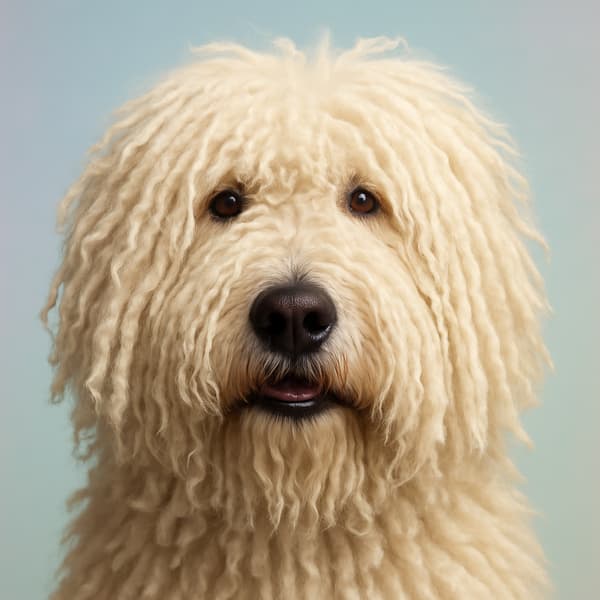
Komondor
Working Group
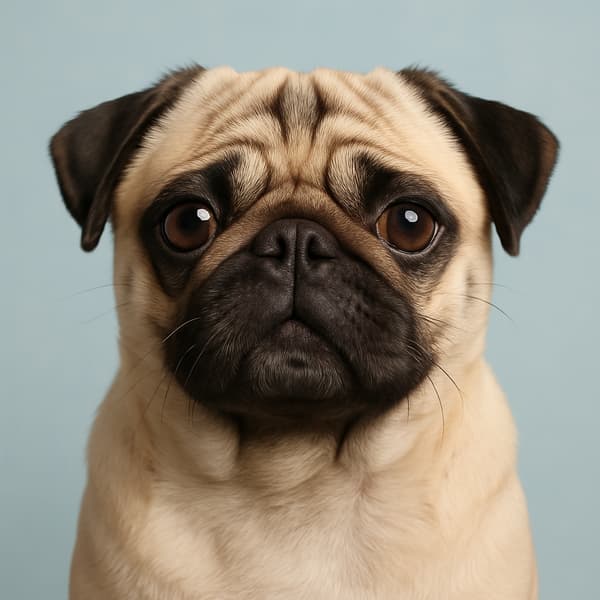
Pug
Toy Group
Quick Comparison
Size
Lifespan
Exercise Needs
Grooming Needs
Table of Contents
Breed Overview
Komondor Overview
Majestic and powerful, the Komondor stands out with its distinctive white corded coat resembling dreadlocks or mop strings. This large, muscular guardian breed features a unique coat that naturally forms long cords, providing protection in harsh weather. Their dignified bearing and imposing presence reflect their heritage as fearless livestock guardians, while their calm and steady temperament makes them excellent protectors.
Pug Overview
Pugs captivate with their distinctive wrinkled faces, compact square bodies, and curled tails. Their large round eyes, deep facial folds, and flat black muzzles create an endearing expression that's uniquely charming. Standing 10-13 inches tall with a muscular build, these companion dogs showcase a fine, glossy coat that comes in fawn or black, complemented by their signature black mask and velvety ears.
Key Differences
- Energy Level: Komondors are less energetic than Pugs, requiring less daily exercise.
- Grooming: Komondors require more grooming attention compared to Pugs.
- Temperament: While both breeds are intelligent, Komondors tend to be more reserved with strangers than Pugs.
- Trainability: Pugs may be slightly easier to train due to their Pug's higher intelligence ranking.
- Living Situation: Pugs adapt better to apartment living, while Komondors typically prefer homes with more space.
Detailed Comparison
Below is a comprehensive side-by-side comparison of the Komondor and Pug, covering everything from physical characteristics to care requirements.
Basic Information
| Feature | Komondor | Pug |
|---|---|---|
| Size | Medium | Toy |
| Life Expectancy | 10-12 years | 13-15 years |
| Country of Origin | Unknown | Unknown |
| Breed Group | Working Group | Toy Group |
Physical Characteristics
| Feature | Komondor | Pug |
|---|---|---|
| Height | 25-27 inches 65-70 cm | 10-13 inches 25-33 cm |
| Weight | 80-100 lbs 36-45 kg | 14-18 lbs 6-8 kg |
| Coat Type | Short, dense coat | Short, dense coat |
| Coat Length | Short | Short |
| Shedding | Seasonal | Regularly |
Temperament & Behavior
| Feature | Komondor | Pug |
|---|---|---|
| Temperament | Loyal, Dignified, Brave | Charming, Mischievous, Loving |
| Energy Level | | |
| Intelligence | | |
Compatibility
| Feature | Komondor | Pug |
|---|---|---|
| Good with Children | | |
| Good with Other Dogs | | |
| Apartment Friendly | | |
Temperament & Personality
Komondor Temperament
The Komondor is known for being loyal, dignified, brave, making them better suited for homes without young children. Their moderate intelligence means they can be trained with consistent effort. They tend to be reserved with strangers, which makes them good watchdogs. Their moderate energy level makes them adaptable to different lifestyles, though they still need regular exercise.
Pug Temperament
The Pug is characterized by being charming, mischievous, loving, which makes them great companions for families. With their moderate intelligence, they can learn with consistent training methods. They generally welcome strangers, making them sociable companions rather than protective guardians. Their moderate energy level makes them versatile companions that can adapt to your activity level, though regular exercise is still important.
Temperament Comparison
When comparing the Komondor and Pug, there are notable differences in their temperaments that potential owners should consider:
Sociability with Strangers
Good with Children
Side-by-Side Trait Ratings
GOOD WITH YOUNG CHILDREN
Komondor
Rating: 3/5
Pug
Rating: 5/5
GOOD WITH OTHER DOGS
Komondor
Rating: 2/5
Pug
Rating: 4/5
ENERGY LEVEL
Komondor
Rating: 3/5
Pug
Rating: 3/5
TRAINABILITY / INTELLIGENCE
Komondor
Rating: 2/5
Pug
Rating: 2/5
GROOMING NEEDS
Komondor
Rating: 5/5
Pug
Rating: 3/5
Care & Maintenance
Komondor Care Requirements
Exercise Needs
Komondors require moderate daily exercise, including about 30-60 minutes of physical activity. This can include walks, play sessions, and moderate activities like walking and interactive play.
Grooming Requirements
With their short, dense coat coat, Komondors require frequent grooming. This includes brushing several times per week to prevent matting and reduce shedding. Professional grooming every 4-8 weeks is recommended.
Pug Care Requirements
Exercise Needs
Pugs need regular daily exercise, including about 30-60 minutes of physical activity. This should include walks, play sessions, and moderate activities like walking and interactive play.
Grooming Requirements
With their short, dense coat coat, Pugs require moderate grooming. This includes regular brushing to maintain coat health and reduce shedding. Occasional professional grooming may be helpful.
Health & Lifespan
Komondor Health Profile
Common Health Issues:
- Hip Dysplasia
- Bloat
- Eye Problems
- Entropion
- Skin Issues
Pug Health Profile
Common Health Issues:
- Brachycephalic Syndrome
- Eye Problems
- Hip Dysplasia
- Patellar Luxation
- Spinal Issues
Pros & Cons
Komondor
Pros
- Exceptional guardian instincts
- Loyal and protective
- Weather-resistant coat
- Independent nature
Cons
- Extensive grooming needs
- Not suitable for novice owners
- Strong-willed personality
- Requires significant space
Pug
Pros
- Excellent companion dogs
- Good with children
- Adaptable to small spaces
- Low exercise needs
- Affectionate personality
Cons
- Breathing difficulties
- Multiple health issues
- Heavy shedding
- Heat sensitive
- Stubborn streak
Ready to Find Your Perfect Match?
Now that you've compared the Komondor and Pug, explore more breeds or use our breed matching tool to find the perfect dog for your lifestyle.