Dalmatian vs Pug
Comprehensive comparison of two popular breeds to help you decide which one might be the better fit for your lifestyle and preferences.
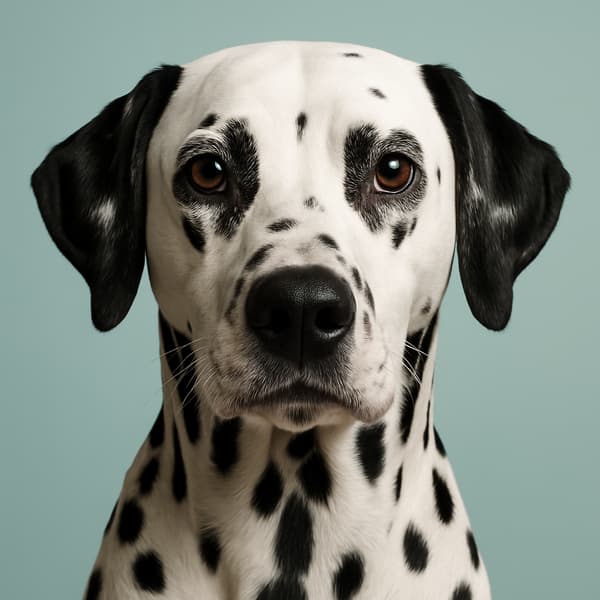
Dalmatian
Non-Sporting Group
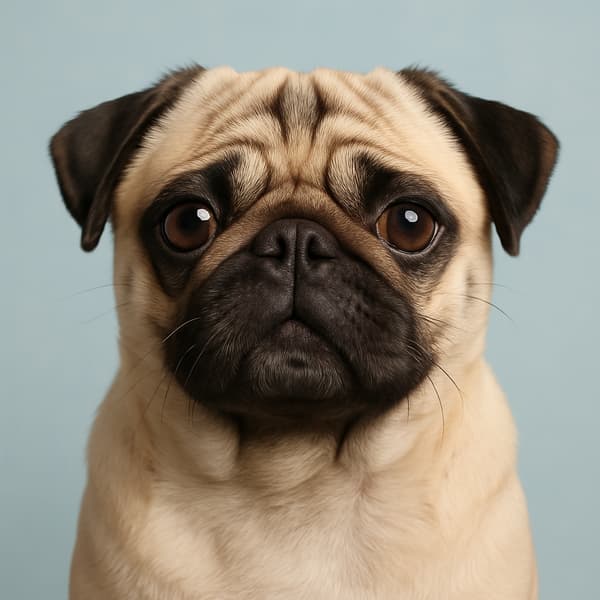
Pug
Toy Group
Quick Comparison
Size
Lifespan
Exercise Needs
Grooming Needs
Table of Contents
Breed Overview
Dalmatian Overview
Dalmatians are distinctive spotted dogs with muscular, athletic builds and graceful proportions. Their short, dense coat features unique black or liver-colored spots against a pure white background. Standing proudly with a level topline and deep chest, these dogs possess a dignified bearing and alert expression, complemented by their characteristic spotted ears and tapered tail.
Pug Overview
Pugs captivate with their distinctive wrinkled faces, compact square bodies, and curled tails. Their large round eyes, deep facial folds, and flat black muzzles create an endearing expression that's uniquely charming. Standing 10-13 inches tall with a muscular build, these companion dogs showcase a fine, glossy coat that comes in fawn or black, complemented by their signature black mask and velvety ears.
Key Differences
- Energy Level: Dalmatians are more energetic than Pugs, requiring more daily exercise.
- Grooming: Dalmatians require less grooming attention compared to Pugs.
- Temperament: While both breeds are intelligent, Dalmatians tend to be more reserved with strangers than Pugs.
- Trainability: Pugs may be slightly easier to train due to their Pug's higher intelligence ranking.
- Living Situation: Pugs adapt better to apartment living, while Dalmatians typically prefer homes with more space.
Detailed Comparison
Below is a comprehensive side-by-side comparison of the Dalmatian and Pug, covering everything from physical characteristics to care requirements.
Basic Information
| Feature | Dalmatian | Pug |
|---|---|---|
| Size | Medium | Toy |
| Life Expectancy | 11-13 years | 13-15 years |
| Country of Origin | Unknown | Unknown |
| Breed Group | Non-Sporting Group | Toy Group |
Physical Characteristics
| Feature | Dalmatian | Pug |
|---|---|---|
| Height | 19-24 inches 48-61 cm | 10-13 inches 25-33 cm |
| Weight | 45-70 lbs 20-32 kg | 14-18 lbs 6-8 kg |
| Coat Type | Short, dense coat | Short, dense coat |
| Coat Length | Short | Short |
| Shedding | Frequent | Regularly |
Temperament & Behavior
| Feature | Dalmatian | Pug |
|---|---|---|
| Temperament | Dignified, Smart, Outgoing | Charming, Mischievous, Loving |
| Energy Level | | |
| Intelligence | | |
Compatibility
| Feature | Dalmatian | Pug |
|---|---|---|
| Good with Children | | |
| Good with Other Dogs | | |
| Apartment Friendly | | |
Temperament & Personality
Dalmatian Temperament
The Dalmatian is known for being dignified, smart, outgoing, making them better suited for homes without young children. Their moderate intelligence means they can be trained with consistent effort. They're typically friendly with strangers, making them poor guard dogs but excellent social companions. With their high energy levels, they need plenty of exercise and mental stimulation to prevent boredom and destructive behaviors.
Pug Temperament
The Pug is characterized by being charming, mischievous, loving, which makes them great companions for families. With their moderate intelligence, they can learn with consistent training methods. They generally welcome strangers, making them sociable companions rather than protective guardians. Their moderate energy level makes them versatile companions that can adapt to your activity level, though regular exercise is still important.
Temperament Comparison
When comparing the Dalmatian and Pug, there are notable differences in their temperaments that potential owners should consider:
Sociability with Strangers
Good with Children
Side-by-Side Trait Ratings
GOOD WITH YOUNG CHILDREN
Dalmatian
Rating: 3/5
Pug
Rating: 5/5
GOOD WITH OTHER DOGS
Dalmatian
Rating: 3/5
Pug
Rating: 4/5
ENERGY LEVEL
Dalmatian
Rating: 4/5
Pug
Rating: 3/5
TRAINABILITY / INTELLIGENCE
Dalmatian
Rating: 2/5
Pug
Rating: 2/5
GROOMING NEEDS
Dalmatian
Rating: 3/5
Pug
Rating: 3/5
Care & Maintenance
Dalmatian Care Requirements
Exercise Needs
Dalmatians require significant daily exercise, including at least 60-90 minutes of physical activity. This can include walks, play sessions, and more vigorous activities like running, swimming, or fetch.
Grooming Requirements
With their short, dense coat coat, Dalmatians require moderate grooming. This includes regular brushing to prevent matting and reduce shedding. Occasional professional grooming may be beneficial.
Pug Care Requirements
Exercise Needs
Pugs need regular daily exercise, including about 30-60 minutes of physical activity. This should include walks, play sessions, and moderate activities like walking and interactive play.
Grooming Requirements
With their short, dense coat coat, Pugs require moderate grooming. This includes regular brushing to maintain coat health and reduce shedding. Occasional professional grooming may be helpful.
Health & Lifespan
Dalmatian Health Profile
Common Health Issues:
- Deafness
- Urinary stones
- Hip dysplasia
- Skin allergies
- Eye problems
Pug Health Profile
Common Health Issues:
- Brachycephalic Syndrome
- Eye Problems
- Hip Dysplasia
- Patellar Luxation
- Spinal Issues
Pros & Cons
Dalmatian
Pros
- Distinctive appearance
- Athletic and energetic
- Loyal companion
- Good watchdog
- Excellent endurance
Cons
- High exercise needs
- Frequent shedding
- Prone to deafness
- Requires consistent training
- Special dietary needs
Pug
Pros
- Excellent companion dogs
- Good with children
- Adaptable to small spaces
- Low exercise needs
- Affectionate personality
Cons
- Breathing difficulties
- Multiple health issues
- Heavy shedding
- Heat sensitive
- Stubborn streak
Ready to Find Your Perfect Match?
Now that you've compared the Dalmatian and Pug, explore more breeds or use our breed matching tool to find the perfect dog for your lifestyle.